
Sustainable commitments vs on-ground challenges: Tyre industry battles
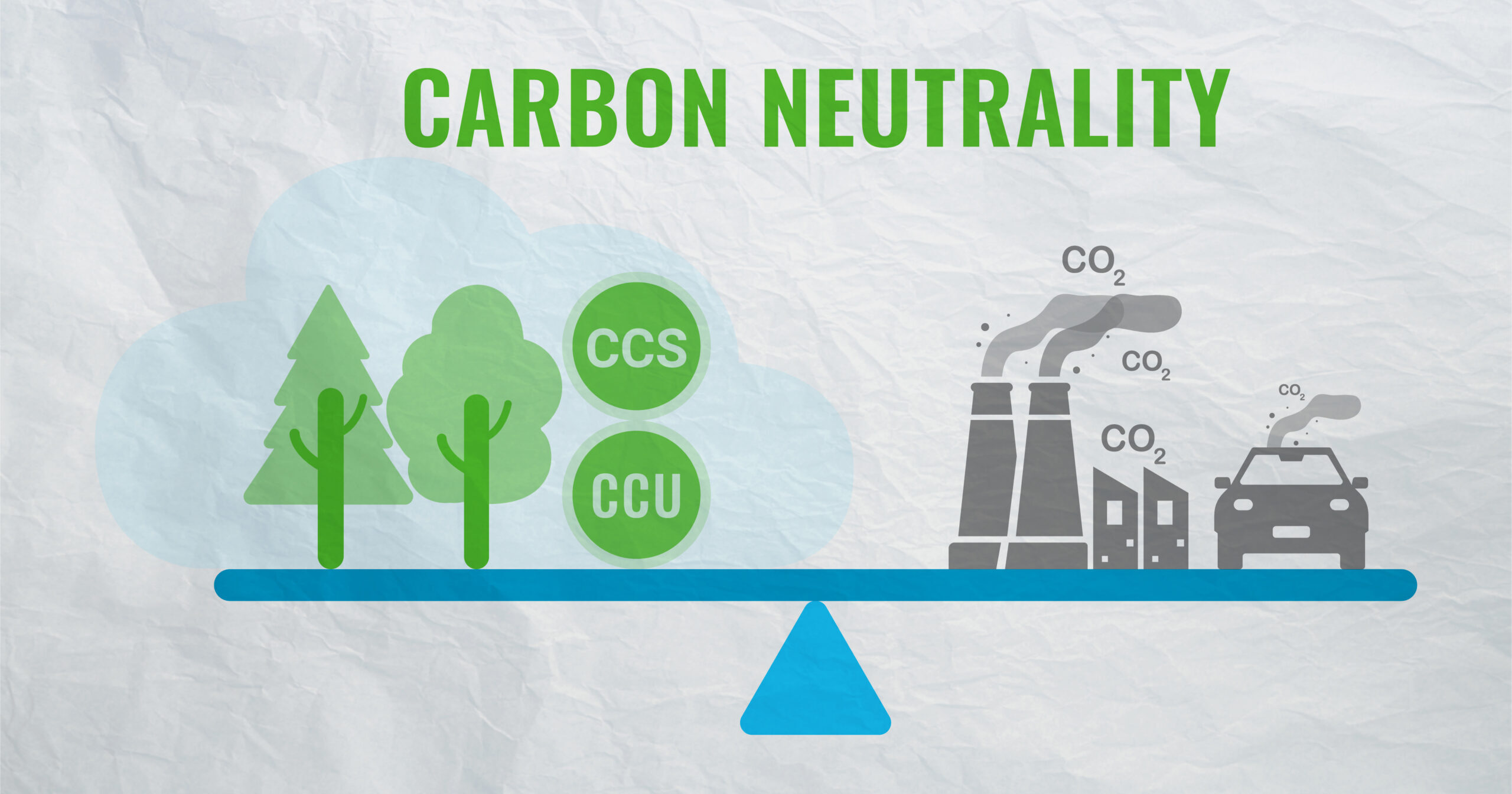
Carbon Capture, Utilisation, and Storage (CCUS) is rapidly emerging as one of the most powerful technologies for industries on the path to decarbonisation. For India, where energy-intensive sectors such as steel, cement, power, fertilisers, and oil and gas remain the backbone of economic growth, CCUS offers a practical solution to balance industrial expansion with climate responsibility.
The nation has set ambitious climate goals: net-zero emissions by 2070 and an annual carbon capture capacity of 750 million metric tonnes by 2050. The Government of India’s ₹39,000 crore carbon capture programme further underscores the urgency and scale of the opportunity.
At this critical juncture, Integrated Sustainability Solutions (ISS) by Re Sustainability has positioned itself as a partner of choice, offering businesses customised CCUS pathways that align with both national priorities and global climate targets.
What Carbon Capture, Utilisation, and Storage Involves
At its core, CCUS is a suite of technologies designed to intercept carbon dioxide before it reaches the atmosphere. This captured carbon dioxide can either be stored permanently in deep geological formations or repurposed to create valuable products such as fuels, chemicals, or building materials.
There are multiple approaches to capturing emissions:
- Post-combustion capture: Extracting carbon dioxide from flue gases after combustion
- Pre-combustion capture: Removing carbon dioxide from syngas before combustion
- Oxy-fuel combustion: Using oxygen instead of air in combustion to generate carbon dioxide-rich exhaust
- Direct Air Capture (DAC): Drawing carbon dioxide directly from the atmosphere
For hard-to-abate industries, where alternatives to deep decarbonisation remain limited, these approaches provide viable and scalable solutions.
India’s Carbon Capture Outlook
Globally, CCUS is considered indispensable to achieving climate neutrality. The International Energy Agency estimates that by 2030, more than 1.7 billion tonnes of carbon dioxide must be captured each year to stay aligned with net-zero pathways.
India’s roadmap reflects this urgency. Alongside its national target of net-zero by 2070, the country has committed to reducing its emissions intensity by 45 percent by 2030. Announcements such as the ₹39,000 crore carbon capture programme, incentives for coal-based CCUS projects, and the commissioning of India’s first carbon storage well in Bhopal illustrate a shift from planning to implementation.
These measures are not only critical for India’s climate goals but also for strengthening industrial competitiveness and ensuring long-term energy security.
Challenges on the Road Ahead
Despite the promise of CCUS, the path to scale is not without challenges:
- Expanding the infrastructure for carbon dioxide transport and storage
- Overcoming high capital and operational costs of capture technologies
- Bringing nascent technologies like Direct Air Capture to commercial readiness
- Establishing clear regulatory frameworks and market standards
- Building workforce capacity and stakeholder confidence
Addressing these barriers will determine the speed and scale of CCUS deployment in India.
The ISS Approach: Practical Pathways for Industry
This is where Integrated Sustainability Solutions by Re Sustainability makes a decisive impact. With over two decades of environmental expertise and more than 800 projects executed, ISS combines technical depth with execution strength to make CCUS practical and achievable.
The ISS model offers:
- Strategic roadmaps: Customised decarbonisation plans based on emission profiling and aligned with India’s commitments under the Paris Agreement
- Project implementation: Feasibility studies, technology integration, and partnerships for carbon dioxide transport and storage hubs
- Financing and monetisation: Support with carbon credit certification, access to international markets, and leveraging mechanisms such as PAT schemes
- Impact measurement: Monitoring, verification, and transparent reporting systems to demonstrate real, measurable outcomes
Through this structured approach, ISS enables industries to move beyond pilots and deliver large-scale, bankable CCUS projects.
Looking Ahead
Carbon Capture, Utilisation, and Storage is no longer an experiment. It is a critical pathway for India to decarbonise without slowing down industrial growth. With clear government support, advancing technologies, and abundant storage potential, the foundations are already being laid for large-scale adoption.
For industries, the question is not whether to adopt CCUS, but how quickly they can integrate it into their operations to stay competitive, compliant, and future-ready.
At ISS, we turn the hard-to-abate into the easy-to-achieve, delivering practical, customised carbon capture solutions that power India’s journey to net-zero.
Related Articles